













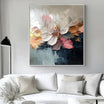
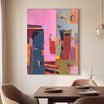
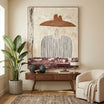

Choosing textured wall art is one of the most effective ways to make a room feel more dimensional without adding clutter. A textured canvas can soften a blank wall, bring warmth to a modern space, and create a focal point that changes subtly with the light throughout the day.
For buyers who want hand-painted texture rather than a flat-looking surface, the challenge is choosing the right piece for the room. Size, color, surface depth, format, and placement all matter. This guide will help you compare textured canvas art with confidence so you can find artwork that feels balanced, tactile, and natural in your home.
Textured Wall Art Works So Well in Modern
Textured wall art works beautifully in modern interiors because it adds depth where a room might otherwise feel too smooth or plain. Many contemporary homes use clean lines, neutral walls, simple furniture, and polished finishes. Those choices can feel calm, but they can also make a space feel unfinished if the walls are empty.

Texture gives the wall more presence. Raised surface detail catches light, creates soft shadows, and adds visual movement without relying on loud color or busy pattern. This is especially useful in interiors where you want the room to feel refined, not overdecorated.
A textured canvas can also connect with other materials in the home. Linen upholstery, wood furniture, stone surfaces, ceramic lamps, woven rugs, and plaster walls all have tactile qualities. Textured artwork can echo that material softness and make the room feel more layered.
For buyers who prefer calm modern interiors, texture is often a better solution than strong color. It allows the artwork to feel interesting up close while staying quiet from a distance. The result is a piece that can anchor the wall without overwhelming the room.
Choose the Right Size for Textured Canvas Art
Size should be one of your first decisions. A textured piece naturally draws the eye because the surface has depth, so the scale needs to feel intentional. Too small, and the artwork may look disconnected from the furniture. Too large, and it may crowd the wall or overpower the room.

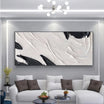
Start by identifying where the artwork will hang. Above a sofa, the piece should feel visually connected to the seating area. It does not need to match the sofa width exactly, but it should have enough presence to hold the wall. A wide horizontal canvas often works well because it follows the line of the furniture.
Above a bed, textured canvas art should support a restful mood. A large horizontal piece can create a calm focal point, while a softer palette keeps the bedroom from feeling too visually active. If the headboard is tall, leave enough breathing room so the artwork does not feel cramped.
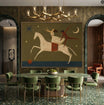
In a dining room, large textured wall art can help define the dining area and soften hard surfaces such as wood, stone, glass, and metal. A piece above a sideboard should feel proportionate to the furniture below it. On a large blank dining wall, one oversized canvas can make the space feel complete.
In an entryway or hallway, consider viewing distance. A piece seen up close can have more detailed texture. A piece viewed from farther away may need stronger scale, contrast, or composition to read clearly.
One Large Piece or a Pair?
For many modern interiors, one large textured artwork is the cleanest choice. It creates a single focal point and keeps the room visually calm. This works especially well above sofas, beds, sideboards, and consoles.
A pair can work when the room has symmetry, such as matching nightstands, sconces, or a centered furniture arrangement. The key is consistency. The two pieces should feel connected in scale, tone, and surface character.
If you want a quiet, refined look, avoid using too many small textured pieces on one wall unless the spacing and palette are carefully planned. Texture already adds dimension, so fewer pieces often feel more composed.
Color and Mood: How to Choose the Right Palette
Color affects whether textured artwork feels calming, grounding, warm, or more expressive. The artwork does not need to match the room exactly. A more natural approach is to choose tones that echo the room’s undertones, materials, and overall mood.

For warm interiors, look for textured artwork with ivory, beige, sand, taupe, clay, muted brown, cream, or soft earth tones. These shades pair well with wood furniture, linen fabrics, warm lighting, and neutral walls.
For cooler interiors, consider stone, gray, off-white, charcoal, soft blue, or muted black accents. These colors can connect with modern furniture, metal details, pale walls, or cooler flooring.
If the room feels too plain, large textured wall art can introduce controlled contrast. A darker canvas can ground a light room. A pale textured piece can soften darker furniture. A tonal composition can add depth to a neutral wall without making the room feel busy.
Blue Wall Art can be a strong direction when you want texture with a cooler, calmer mood. Soft blue tones can work well in bedrooms, offices, coastal-inspired rooms, or interiors with gray, white, stone, or natural wood details. The key is to choose blue that feels integrated with the room rather than overly bright or disconnected.
Neutral Texture for Quiet Rooms
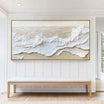
Neutral textured artwork is especially useful in bedrooms, living rooms, dining rooms, and offices where the goal is calm. Raised texture, layered tones, and subtle movement keep the piece from feeling flat, while the restrained palette keeps the room restful.
Neutral does not have to mean plain. A hand-painted surface can include small shifts in tone, visible strokes, ridges, and depth. These details give the wall interest without demanding constant attention.
Deeper Contrast for Stronger Presence
Some rooms need a more defined focal point. If the space has pale furniture, light walls, and minimal decor, textured artwork with deeper tones can give the room weight. This can be especially effective above a sofa, in an entryway, or on a large blank wall.
The goal is balance. Choose contrast that adds structure without making the room feel heavy.
Texture: 3D, Impasto, and Surface Depth
Not all textured artwork feels the same. Some pieces have subtle surface movement, while others have more pronounced raised detail. Understanding the difference can help you choose artwork that fits your space.

3D Textured Art often has more visible relief and sculptural surface presence. It works well when you want the artwork to be a strong feature on the wall. In a minimal room, 3D texture can add dimension without needing bold color.
Impasto refers to a heavily textured painting approach where the surface has visible thickness and movement. Impasto-style artwork can feel expressive and tactile, especially when light moves across the surface. It is a strong choice for buyers who want texture to be an important part of the artwork’s character.
More subtle textured artwork works well when the room already has many materials or decorative details. For example, if you have a patterned rug, sculptural lighting, or richly grained furniture, a quieter surface may create better balance.
Before choosing, think about how close people will be to the piece. In a hallway, bedroom, or office, viewers may see the artwork up close, so surface detail matters. In a large living room, the overall composition and scale may matter more from a distance, with texture becoming a secondary layer.
Match Textured Artwork to the Room
Textured artwork can work in many spaces, but the best choice depends on the room’s purpose and mood.
In a living room, textured wall art can anchor the main seating area. A large horizontal piece above a sofa can make the wall feel finished and bring softness to the room. If the furniture is neutral, texture can add depth without needing more accessories.
In a bedroom, the artwork should feel restful. Soft tones, gentle movement, and balanced texture usually work better than sharp contrast or highly active compositions. Above the bed, a textured canvas can make the room feel layered while keeping the atmosphere quiet.
In a dining room, texture can soften hard materials. Wood tables, stone surfaces, ceramic objects, glassware, and metal lighting can all benefit from the warmth of a tactile canvas. A large textured artwork can also give the dining wall a clear focal point.
In an office, textured artwork can make the space feel more polished and less temporary. Neutral or softly contrasted pieces work well behind a desk, above a credenza, or in a meeting area. Texture adds visual interest without becoming distracting.
In an entryway, textured artwork can create an immediate sense of material warmth. Since entry spaces often have limited furniture, one strong piece can set the tone for the rest of the home.
Explore Tactile Atelier Textured Wall Art
If you are ready to choose textured artwork for your home, start with Textured Wall Art. This collection is a focused place to compare hand-painted canvas pieces with real surface detail, tonal layering, and visual depth.
Tactile Atelier creates hand-painted canvas art designed for calm, refined modern interiors. The texture is part of the artwork’s presence, giving each piece a surface quality that can shift with natural and interior light.
If you want more sculptural surface depth, explore 3D Textured Art. If you are drawn to expressive raised strokes and visible thickness, Impasto may be the right direction. If your room needs a cooler palette, Blue Wall Art can help you compare textured pieces with a calmer color mood.
Custom sizes and selected finish options may be available depending on the artwork. If you are unsure which size, format, or surface direction will suit your room, the team can help from wall dimensions or a room photo.
Free global shipping, free and fast delivery, secure payments, and a 30-day risk-free return policy make it easier to choose with confidence.
When you are ready to browse, start with your wall size and room mood. Then compare texture level, color palette, and format. If you need help choosing size or finish, Tactile Atelier’s team can guide you toward an artwork direction that feels right for your space.
Final Thoughts on Textured Wall Art
The right textured wall art should make a room feel more layered, balanced, and complete. Start with the wall and furniture, then choose a size and format that feel proportionate. From there, consider color, surface depth, texture level, and the mood you want to create.
A large textured canvas can anchor a living room. A soft neutral piece can calm a bedroom. A sculptural surface can add presence to an entryway, dining wall, or office. When chosen thoughtfully, textured artwork can bring depth and warmth to modern interiors without adding visual clutter.
Browse with your room in mind, and choose a piece that supports the atmosphere you want to live with every day.
FAQs
What is textured wall art?
Textured wall art is artwork with visible surface depth, raised detail, or tactile layering. It can add dimension and visual interest to a wall without relying only on color or pattern.
Is textured canvas art good for modern interiors?
Yes. Textured canvas art works well in modern interiors because it adds warmth, depth, and material interest while keeping the overall room calm and refined.
How do I choose the right size for large textured wall art?
Start with the wall width, furniture width, and viewing distance. Above a sofa, bed, or sideboard, choose a size that feels visually connected to the furniture without crowding the wall.


Leave a comment
This site is protected by hCaptcha and the hCaptcha Privacy Policy and Terms of Service apply.