









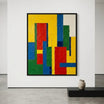


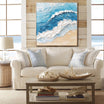
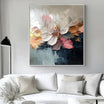
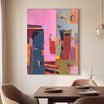
Choosing abstract wall art can be one of the most effective ways to make a room feel more personal, layered, and complete. Unlike artwork with a literal subject, abstract art gives you room to respond to color, movement, texture, and mood. It can soften a minimal interior, bring structure to a blank wall, or add quiet depth to a space that feels unfinished.
For buyers who love modern interiors, the challenge is usually not whether abstract artwork belongs in the home. It is choosing the right piece: the right size, the right palette, the right level of texture, and the right mood for the room. This guide will help you compare options with confidence before browsing for abstract artwork that fits your home.

Abstract Wall Art Works So Well in Modern
Abstract wall art suits modern interiors because it can add visual interest without making a room feel crowded. Clean-lined furniture, neutral walls, simple lighting, and open layouts often need one strong focal point. A large abstract canvas can create that focal point while keeping the room calm.
Abstract artwork is also flexible. It does not lock the room into one theme, season, or subject. A softly layered composition can work in a living room, bedroom, dining area, hallway, or office because it responds to the overall feeling of the space rather than a specific scene.
For a refined home, this flexibility matters. You may want artwork that feels expressive but not loud, modern but not cold, textured but not overly busy. A well-chosen abstract piece can bring balance to those needs. It can echo the colors already in the room, introduce gentle contrast, or create a sense of movement on a large blank wall.
Many buyers are drawn to abstract art paintings because they allow interpretation. One person may notice the movement first. Another may notice the color transitions. Another may be drawn to the surface detail. This makes abstract art especially useful in spaces where you want atmosphere rather than a fixed visual story.
Choose the Right Size Before Choosing the Style
Size should come before style. A beautiful piece can feel wrong if it is too small for the wall or too large for the room. Before choosing a color palette or composition, decide where the artwork will hang and what it needs to do visually.

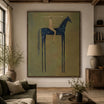
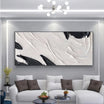
In a living room, abstract artwork often works best above a sofa, console, fireplace area, or large blank wall. The piece should feel visually connected to the furniture below it. It does not need to match the exact width of the sofa or console, but it should feel substantial enough to anchor the wall.
In a bedroom, abstract art above the bed should feel calm and proportionate. Horizontal formats often work well above queen or king beds because they follow the width of the headboard. A softer palette can help the room stay restful.
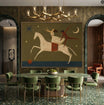
In a dining room, a large abstract canvas can make the dining area feel more complete. It can work above a sideboard or on a main wall visible from the table. The artwork should feel connected to the table, chairs, lighting, and wall size.
In an office or hallway, scale depends on viewing distance. A piece seen from across a room can usually be larger and more impactful. A piece seen up close may need more detail and a calmer composition.
One Large Piece or Several Smaller Works?
For many modern interiors, one large abstract painting is the cleaner choice. It creates a single focal point and gives the eye a place to rest. This works especially well in rooms that already include several materials, such as wood, stone, fabric, metal, and glass.
A pair of artworks can work when the room has symmetry. Matching nightstands, sconces, a centered console, or a formal seating arrangement can support a two-piece layout. A small grouping can feel more collected, but it requires careful spacing and a consistent palette.
If your goal is a calm, refined look, start with one strong piece or a balanced pair. It is usually easier to create a polished result that way.
Color: How to Match Abstract Artwork to Your Room
Color is one of the main reasons abstract artwork feels right or wrong in a room. The artwork does not need to match the furniture exactly. In fact, exact matching can make the space feel flat. A more natural approach is to echo undertones, materials, or mood.

Start by studying the room. Look at the wall color, sofa or bed fabric, rug, flooring, wood finishes, curtains, and lighting. These details will tell you whether the artwork should lean warm, cool, soft, or more contrasted.
For a warm neutral room, consider abstract artwork with ivory, beige, sand, taupe, clay, muted brown, or soft earth tones. These colors pair well with wood furniture, linen fabrics, warm lighting, and creamy walls.
For a cooler modern room, artwork with stone, gray, charcoal, black, off-white, or restrained contrast can feel more connected. These tones often work well with gray upholstery, black metal details, stone surfaces, or cooler wall colors.
For a room that feels too plain, abstract artwork can introduce contrast in a controlled way. A darker composition can ground a pale room. A lighter piece can soften dark furniture. A canvas with tonal layering can add dimension without relying on strong color.
When Neutral Abstract Art Works Best
Neutral abstract art works well when you want the room to feel quiet, warm, and thoughtfully finished. It is especially useful in bedrooms, living rooms, dining spaces, and offices where the artwork should support the room rather than dominate it.
Neutral does not mean empty. Subtle contrast, layered tones, raised texture, and movement across the canvas can make the artwork feel rich while preserving a calm mood.
When to Choose More Contrast
Some rooms need more visual weight. If the space has pale walls, light furniture, and minimal accessories, a stronger abstract composition can help anchor the room. Contrast can also help artwork stand out in a larger room or open-plan layout.
The key is control. Abstract artwork can be expressive without feeling chaotic. Look for balance in the composition, so the piece adds energy without overwhelming the room.
Texture and Tonal Layering Make a Difference
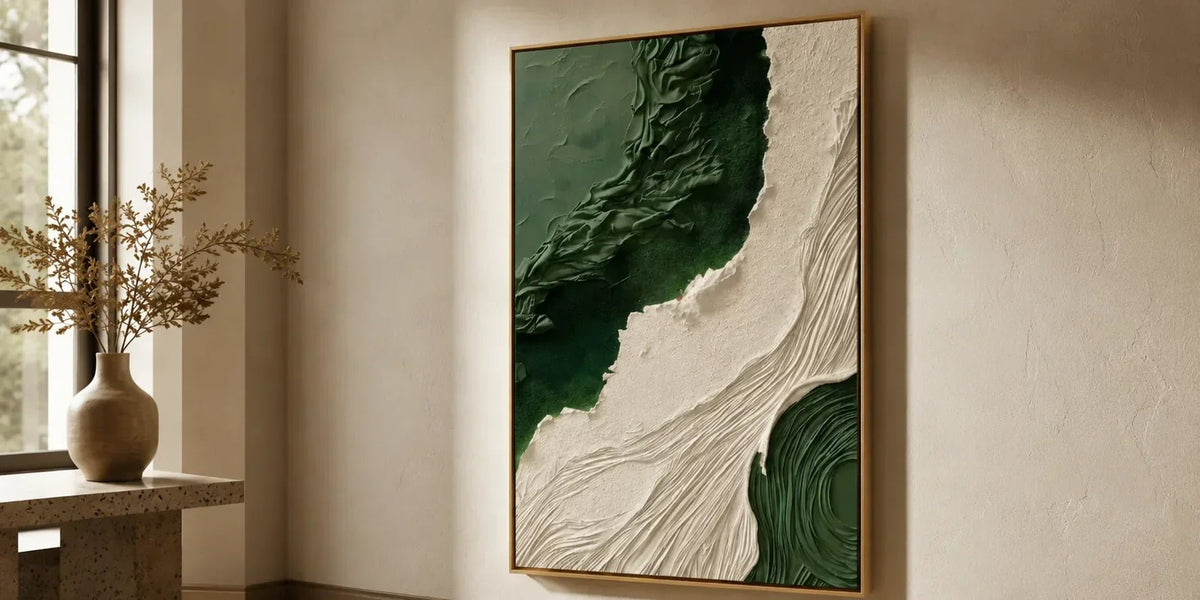
Texture is one of the qualities that gives abstract art its presence. A flat-looking wall can make a modern room feel unfinished, especially when the furniture is simple. Textured abstract artwork can add depth, shadow, and surface interest without adding extra objects to the room.

Tactile Atelier creates hand-painted canvas art with real texture, tonal layering, and visual depth. These qualities are especially useful in abstract artwork because the surface itself becomes part of the composition. The piece is not only about color or shape; it is also about how the layers catch light and shift throughout the day.
In natural light, a textured canvas may feel soft and understated. In evening light, raised details can become more visible, adding warmth and dimension. This makes textured abstract art paintings suitable for rooms that change from daytime function to evening atmosphere, such as living rooms, dining rooms, bedrooms, and home offices.
Texture also helps larger artwork feel more considered. A large blank wall needs more than size alone. Surface variation can make the artwork feel grounded, tactile, and connected to the materials in the room, such as linen, wood, stone, plaster, or woven rugs.
Match Abstract Wall Art to the Room’s Mood
Before buying, think about what you want the room to feel like. Abstract wall art can be calm, dramatic, warm, minimal, organic, structured, or expressive. The right choice depends on the room’s purpose.

A living room can usually handle more movement and scale. Since it is often the most visible room in the home, the artwork can create a stronger focal point. Large abstract artwork can help connect seating, rugs, tables, and lighting into one complete setting.
A bedroom usually benefits from softer movement and a quieter palette. Look for abstract artwork that feels restful, balanced, and not overly sharp. Tonal layering, soft neutrals, and gentle contrast often work well above a bed or dresser.
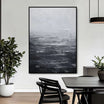
A dining room can use abstract art to create atmosphere. A textured canvas can soften hard surfaces like wood, stone, glass, and metal. A larger piece can make the wall feel finished without adding more tabletop decor.
A home office may need artwork that supports focus. Abstract artwork with a calm palette and balanced composition can make a workspace feel more refined, especially if it appears behind you on video calls.
A hallway or entryway can benefit from a piece with clear presence. Since these areas often have limited furniture, artwork can create the first impression and set the tone for the rest of the home.
Explore Tactile Atelier Abstract Art
If you are ready to choose abstract artwork for your space, start with Abstract Art. This collection is a focused place to compare hand-painted canvas pieces with texture, tonal depth, and modern compositions.
If you want a broader design direction, Contemporary Art can help you find pieces with a more current, design-led feeling. Modern Art is useful when you want clean composition, quiet balance, and a refined interior mood. All Paintings gives you a wider view if you are still comparing color, size, format, or artwork direction.
Custom sizes and selected finish options may be available depending on the artwork. If you are unsure which size or finish will work best, Tactile Atelier’s team can help from wall dimensions or a room photo. This is especially helpful when choosing a larger canvas for a sofa wall, bed wall, dining space, office, or open-plan room.
Free global shipping, free and fast delivery, secure payments, and a 30-day risk-free return policy make it easier to choose with confidence.
When you are ready to browse, start with the room you are styling. Consider wall size, furniture width, natural light, and the colors already in the space. Then compare pieces by mood, scale, texture, and format. The goal is not to choose the most dramatic artwork, but the one that makes the room feel more complete.
Final Thoughts on Abstract Wall Art
The right abstract wall art should feel connected to your room’s size, color palette, texture, and mood. Start with the wall and furniture, then choose a format that suits the layout. From there, compare color, contrast, and surface detail.
A large abstract canvas can anchor a living room. A soft neutral piece can quiet a bedroom. A textured composition can add depth to a dining room or office. When chosen thoughtfully, abstract artwork can bring modern character to a space without making it feel busy.
Browse Abstract Art with your room in mind, and ask for help choosing size or finish if you are comparing options. A measured approach makes it easier to find artwork that feels natural in your home.
FAQs
How do I choose abstract wall art for my room?
Start with the wall size, furniture width, and room mood. Then choose a format, color palette, and level of texture that feels connected to the space. The artwork should add presence without overwhelming the room.
What colors work best for abstract art paintings?
Neutral tones such as ivory, beige, taupe, gray, stone, muted brown, and soft earth shades work well in many modern interiors. For more contrast, choose deeper tones that still relate to the room’s materials or accents.
Is textured abstract artwork a good choice?
Yes. Textured abstract artwork can add depth, warmth, and visual interest without making the room feel cluttered. It works especially well in modern interiors with simple furniture and calm color palettes.


Leave a comment
This site is protected by hCaptcha and the hCaptcha Privacy Policy and Terms of Service apply.