




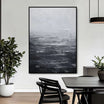




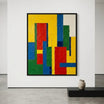




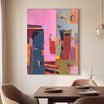


3d wall art is one of the most effective ways to bring depth and tactile interest to a room. Unlike flat wall decor, dimensional artwork uses raised texture, layered surfaces, and shadow to make the wall feel more alive. It can soften a minimal interior, make a large blank wall feel complete, or create a quiet focal point without relying on loud color.
For buyers who love texture, movement, and sculptural wall surfaces, the key is choosing the right piece for the room. Size, placement, color, surface depth, and lighting all affect how dimensional wall art feels once it is installed. This guide will help you compare options with more confidence before choosing artwork for a modern home.

3D Wall Art Works in Modern Interiors
3d wall art works especially well in modern interiors because it adds visual depth without making the room feel crowded. Many contemporary homes use neutral walls, clean furniture, smooth finishes, and simple architectural lines. Those choices can feel calm, but they can also make a room feel a little flat if the walls are empty.
Dimensional artwork brings another layer to the space. Raised texture catches light, creates shadow, and gives the wall a more tactile presence. Instead of adding more furniture or accessories, one well-placed artwork can make the room feel more complete.
For calm, refined interiors, this is important. You may want a room that feels designed, but not busy. You may want a strong focal point, but not something overly dramatic. Wall art in 3d can help bridge that gap because the interest comes from surface, texture, and depth rather than from a complicated image.
This makes dimensional wall art useful in living rooms, bedrooms, dining rooms, offices, entryways, and large blank walls. It can stand alone as the main feature or support a quieter interior with subtle surface movement.

Wall Art in 3D: Texture, Relief, and Shadow
When people talk about wall art in 3d, they are usually referring to artwork with visible surface depth. This may include raised texture, sculptural relief, layered paint, thick strokes, or dimensional patterns that extend visually from the canvas.
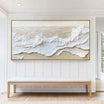
The effect changes depending on the artwork and the room. A softly textured piece may feel quiet and organic. A more sculptural artwork may feel bolder and more architectural. An impasto-style surface may show thick hand-painted movement, creating a tactile quality that changes as light moves across it.
Lighting also matters. In natural daylight, dimensional texture may appear soft and understated. Under evening lamps or directional lighting, the raised surface becomes more visible. Shadows form across the artwork, giving it a richer sense of depth.
This is why 3d wall art decor often feels more dynamic than flat wall decor. It does not look the same at every hour of the day. The surface interacts with light, distance, and viewing angle, which gives the piece a stronger presence in the room.

Subtle Texture vs. Strong Relief
Not every room needs highly raised texture. A quiet bedroom or minimal office may work better with subtle dimensional detail. The surface still adds depth, but the room remains calm.
A living room, entryway, or large blank wall may be able to handle stronger relief. In these spaces, dimensional artwork can become the main focal point and give the wall more structure.
The right choice depends on how much attention you want the artwork to hold. If the room already has bold lighting, patterned rugs, or sculptural furniture, a more restrained textured piece may feel better. If the room is simple and open, stronger surface depth can add character without requiring extra decor.
Choosing the Right Size for Dimensional Wall Art
Size is one of the most important decisions when choosing dimensional wall art. Because textured surfaces already have visual presence, the artwork should feel carefully scaled to the room.
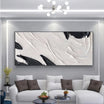
Above a sofa, the artwork should feel connected to the seating area. A large horizontal piece often works well because it follows the width of the furniture and helps ground the wall. If the canvas is too small, it may look disconnected. If it is too large, the room can feel crowded.
Above a bed, dimensional artwork should support a calm mood. A wide piece with softer texture can frame the bed without making the bedroom feel too active. If the headboard is tall, leave enough visual breathing room so the artwork and furniture do not compete.
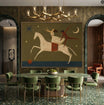
In a dining room, 3d wall art decor can soften hard surfaces such as wood, stone, glass, ceramic, and metal. A larger piece above a sideboard or on a main dining wall can create structure while keeping the table area uncluttered.
In an entryway or hallway, think about viewing distance. If people will see the artwork up close, the texture detail matters. If the piece is viewed from farther away, the overall size, contrast, and composition become more important.

Large Blank Walls
Large blank walls often need more visual weight. One oversized dimensional artwork can create a clean focal point without needing several smaller pieces. This works especially well in open-plan homes where the artwork helps define a living or dining area.
For very wide walls, a horizontal artwork or a balanced pair can work well. The goal is not to cover every inch, but to choose a piece that gives the wall enough structure and presence.
Smaller Rooms
In smaller rooms, dimensional wall art should be chosen with care. Strong texture can still work, but a softer palette or more restrained composition may feel better. A piece with heavy relief and sharp contrast may make a small space feel visually crowded.
If the room is compact, choose artwork that adds depth while preserving air around the piece. The wall should still feel balanced.
Color and Mood: How to Make 3D Wall Art Feel Natural
Color determines whether dimensional artwork feels calm, bold, warm, cool, or dramatic. Because 3d wall art already has surface depth, the color palette does not always need to be intense. In many modern interiors, texture and tonal layering can provide enough visual interest on their own.
For warm rooms, consider artwork with ivory, beige, sand, taupe, clay, muted brown, cream, or soft earth tones. These colors work well with wood furniture, linen fabrics, warm lighting, and neutral walls.
For cooler interiors, look for stone, gray, off-white, soft blue, charcoal, or muted black accents. These tones can connect with metal details, pale walls, stone surfaces, or contemporary furniture.
If the room feels too plain, a dimensional piece with deeper tones can add structure. If the room feels heavy, a lighter textured artwork can soften the wall. The best choice depends on whether you want the artwork to blend, anchor, or add contrast.
A calm interior does not have to be colorless. Subtle blue, warm beige, soft gray, and muted earth tones can all work beautifully when the surface has depth. The key is to choose colors that feel connected to the room’s materials and lighting.

Where to Use 3D Wall Art Decor
Dimensional artwork can work in many rooms, but the best placement depends on how the space is used.
In a living room, 3d wall art decor can anchor the main seating area. A large textured canvas above a sofa can make the wall feel finished while adding warmth and depth to the room. This is especially useful in modern spaces with neutral furniture and simple styling.
In a bedroom, choose artwork that feels restful. Soft texture, tonal layering, and a restrained palette usually work better than sharp contrast or highly active patterns. Above the bed, dimensional artwork should make the wall feel complete without disturbing the calm mood.
In a dining room, dimensional artwork can soften the harder materials often found in the space. It can also create a quiet focal point for meals and gatherings. A textured piece above a sideboard or on a main dining wall can give the room depth without adding clutter to the table.
In an office, dimensional wall art can make the space feel more polished and less temporary. It works well behind a desk, above a credenza, or on a wall visible during video calls. Choose balanced compositions and calm colors so the artwork supports focus rather than becoming distracting.
In an entryway, dimensional artwork can create an immediate sense of material warmth. Since entry spaces often have limited furniture, one strong piece can set the tone for the rest of the home.
3D Textured Art, Textured Wall Art, and Impasto: What to Compare
When comparing dimensional artwork, it helps to understand the differences between related styles.
3D Textured Art is a strong direction when you want visible relief and sculptural surface detail. These pieces are suited to rooms where texture should be part of the main visual statement.
Textured Wall Art can include a wide range of surface depth, from subtle tonal layering to more pronounced raised textures. This is a useful place to compare pieces if you know you want tactile artwork but are still deciding how bold the surface should be.
Impasto is a good direction if you are drawn to thicker hand-painted strokes and expressive surface movement. Impasto-style artwork often feels especially tactile because the paint application itself becomes part of the visual character.
If you are still comparing formats, colors, and surface styles, All Paintings can help you see broader options before narrowing your choice.
Best Tactile Atelier 3D Textured Art
If you are ready to compare dimensional artwork, start with 3D Textured Art. This selection focuses on pieces with real surface presence, making it a useful starting point for buyers who want texture, relief, and visual depth.
Tactile Atelier creates hand-painted canvas art with real texture, tonal layering, and visual depth. The artworks are designed for calm, refined modern interiors, where surface detail can add warmth and dimension without making the room feel cluttered.
Custom sizes and selected finish options may be available depending on the artwork. If you are unsure which size, format, or artwork direction will work in your space, the team can help from wall dimensions or a room photo. This is especially helpful when choosing dimensional artwork, where scale and lighting can strongly affect the final look.
Free global shipping, free and fast delivery, secure payments, and a 30-day risk-free return policy make it easier to choose with confidence.
As you browse, think through the decision in this order: room, wall size, furniture, texture level, color mood, and lighting. From there, you can compare 3D Textured Art, Textured Wall Art, Impasto, and All Paintings with a clearer sense of what belongs in your home.
Final Thoughts on 3D Wall Art
The right 3d wall art should bring depth, texture, and balance to your room. Start with the wall and furniture, then decide how much surface presence the space can handle. A large dimensional piece can anchor a living room. A softer textured canvas can calm a bedroom. A sculptural surface can make an entryway, dining wall, or office feel more complete.
Choose artwork that works with your room’s light, color palette, and level of formality. When the scale, texture, and mood are right, dimensional wall art can make a modern interior feel warmer, more tactile, and more thoughtfully finished.
FAQs
What is 3d wall art?
3d wall art is artwork with visible surface depth, raised texture, or dimensional relief. It creates shadow and movement on the wall, giving the piece more physical presence than flat wall decor.
Where should I place 3d wall art decor?
It works well above sofas, beds, sideboards, credenzas, dining walls, office walls, and entryways. Choose a location where the texture can be seen clearly and where the artwork feels connected to nearby furniture.
Is dimensional wall art good for modern interiors?
Yes. Dimensional wall art works well in modern interiors because it adds warmth, depth, and tactile interest while keeping the overall room calm and refined.


Leave a comment
This site is protected by hCaptcha and the hCaptcha Privacy Policy and Terms of Service apply.