
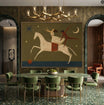
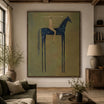
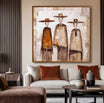
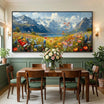
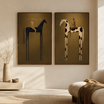
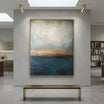
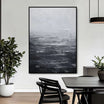
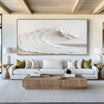
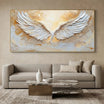

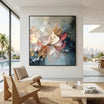
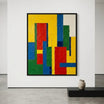
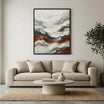
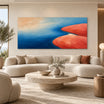
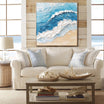
A long wall can make standard artwork look smaller than expected. Even a painting that seems substantial on its own may leave so much unused space on either side that it feels disconnected from the room.
Panoramic wall art solves this problem by following the horizontal direction of the space. Its width can connect visually with long sofas, dining tables, sideboards, beds, and uninterrupted architectural walls.
The best result, however, comes from more than choosing the widest painting available. Scale, composition, furniture, and surrounding negative space all matter.
What Makes Wall Art Panoramic?
Panoramic artwork is noticeably wider than it is tall.
That distinction separates it from ordinary horizontal artwork. A conventional landscape-format painting may still have relatively balanced proportions, while panoramic art uses width as a defining part of the composition.
The extended format naturally encourages the eye to move across the image.
This makes it particularly suited to:
- Open landscapes
- Ocean horizons
- Wide abstract movement
- Layered neutral compositions
- Extended botanical forms
- Broad textured surfaces
If you are comparing this orientation specifically, the panoramic wall art collection provides a clearer reference than treating every horizontal painting as panoramic.
Start With the Long Wall Problem
Before choosing artwork, identify why the wall feels difficult to decorate.

Is it long because there is a sofa beneath it? Is the wall itself unusually wide? Is a dining table creating a strong horizontal line? Or is the room open-plan, with one uninterrupted wall extending across several zones?
These situations may all suit panoramic artwork, but they require slightly different decisions.
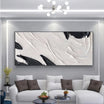
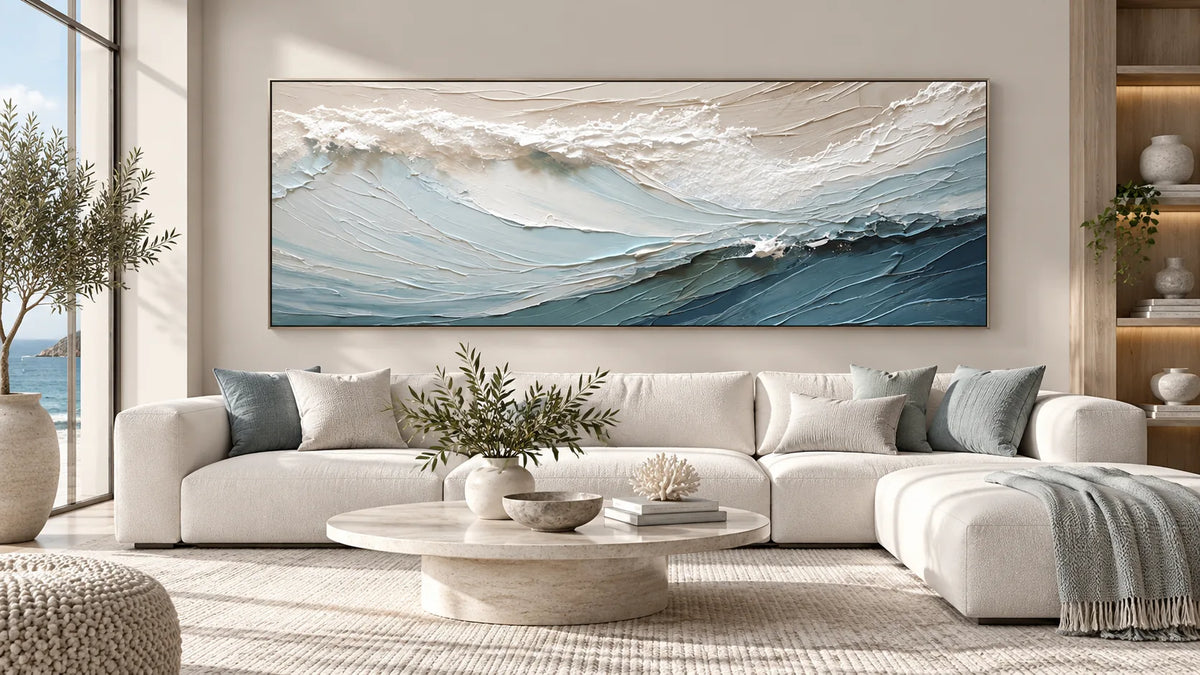
Above a Long Sofa
A sofa establishes a strong horizontal base.
If the artwork is too narrow, it can appear to float independently above the seating. A wider composition creates a stronger visual relationship with the furniture.
The painting does not need to match the sofa width. Leaving open wall on either side usually gives the artwork more breathing room.
Above a Sideboard or Credenza
A long sideboard often leaves a broad blank area above it.
One panoramic painting can connect the furniture and wall without requiring several separate frames or decorative objects.
This is particularly effective when the sideboard itself already carries lamps, ceramics, books, or other accessories.
Alongside a Dining Area
A long table creates another strong horizontal line.

A panoramic painting on the adjacent wall can reinforce that direction while giving the dining area a defined visual identity.
The composition should support the atmosphere of the room rather than compete with lighting, furniture, and table settings.
Above a Bed
Beds and headboards naturally create wide visual foundations.
A panoramic piece can continue that width above the bed while maintaining one continuous focal point.
For bedrooms, look beyond proportions and consider visual activity. Quiet landscapes, atmospheric compositions, and restrained abstracts often feel more restful than highly fragmented imagery.
On an Open-Plan Wall
A panoramic painting does not need to fill an entire open-plan wall.
Instead, it can define one functional area within it.
For example, a painting positioned above the living-room seating can visually establish that zone even if the same wall continues into a dining area.
How Wide Should Panoramic Wall Art Be?
There is no single correct width.
A better approach is to evaluate three things together:
The usable wall area
Measure the uninterrupted portion of wall rather than including doors, windows, shelving, or other fixed elements.
The furniture below
When artwork hangs above a sofa, bed, table, or sideboard, that furniture provides a useful visual reference.
The negative space around the painting
A panoramic piece still needs breathing room. Filling nearly every available inch can make even an appropriate format feel cramped.
The artwork should feel substantial enough to belong to the wall without appearing squeezed into it.
Painter's tape can help before ordering. Mark the approximate width and height on the wall, then view the outline from your normal seating or entry position.
A measurement that looks large on paper may feel surprisingly modest once it is placed in a spacious room.
Choose a Composition That Benefits From the Width
Panoramic format works best when the image itself uses the horizontal space.

A wide canvas with all of the visual interest concentrated in the center may technically be panoramic but still feel compositionally empty.
Look for movement, balance, or visual rhythm across the width.
Landscapes
Mountain ranges, open fields, deserts, forests, and distant horizons naturally spread across a panoramic composition.
The wider format can communicate a sense of openness that would be harder to achieve on a narrow canvas.
Seascapes
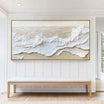
Ocean horizons and broad wave patterns are also naturally suited to extended proportions.
A simple horizon can create calm horizontal movement, while more active waves can carry energy across the canvas.
Abstract Compositions
Abstract art does not need a recognizable horizon to work panoramically.
Lines, shapes, color fields, and gestural movement can travel from one side of the painting to the other, using width as part of the visual experience.
Textured Artwork
Texture can make a wide neutral composition more engaging without requiring strong color.
Raised surfaces catch light differently across the canvas, allowing shadows and highlights to create subtle movement as the viewer changes position.
For example, white textured abstract wall art uses a panoramic horizontal composition with pronounced dimensional relief, making width and surface depth work together rather than relying on bold color.
Consider Visual Weight, Not Just Dimensions
Two panoramic paintings of the same size may behave very differently on the same wall.
A dark, high-contrast image can feel visually heavier. A pale abstract may feel quieter. A heavily textured painting can gain presence from surface depth even when its palette is restrained.
Consider what else is already competing for attention.
A living room with bold furniture, patterned textiles, and sculptural lighting may not need a highly dramatic painting.
A minimal room with a long empty wall may support stronger scale, texture, or contrast.
This is particularly important with panoramic artwork because its physical width already gives it significant presence.
Panoramic Art or Several Smaller Pieces?
A long wall does not automatically require one long painting.
Several smaller pieces can also work, but they create a different effect.
One Panoramic Artwork
Best when you want:
- One continuous focal point
- A cleaner visual field
- Less spacing complexity
- Strong connection with long furniture
- A composition that reads as a whole
Multiple Artworks
Best when you want:
- A collected look
- More visual variety
- Several subjects or colors
- A flexible arrangement
- Rhythm created through spacing
The decision comes down to whether you want the wall to read as one statement or as a group of related objects.
If the room is already visually active, one panoramic piece often provides the calmer solution.
Make Sure the Wall Has Enough Height
Width gets most of the attention when choosing panoramic art, but available height still matters.
A very wide painting can feel compressed if it is forced into a shallow space between furniture and ceiling.
Check:
- The top of the furniture
- Any sconces or lighting
- Ceiling height
- Architectural molding
- The preferred space around the artwork
The composition should have enough vertical breathing room to avoid looking wedged into place.
This is especially important above tall headboards, fireplaces, or sideboards.
When Panoramic Wall Art Is Not the Best Choice
Panoramic format is designed to answer horizontal space, so it becomes less convincing when the architecture points in another direction.
Consider another format when:
- The wall is narrow
- The space is much taller than it is wide
- Doors or windows repeatedly interrupt the wall
- Tall shelving dominates the area
- The painting would need to squeeze between architectural features
- You want to emphasize ceiling height rather than width
A square, vertical, or moderately horizontal artwork may respond better in these situations.
Do not use a panoramic painting simply to occupy empty space. Its proportions should reinforce something already present in the room.
Use Texture Carefully on a Large Panoramic Piece
Texture becomes more noticeable as artwork increases in scale.
On a large panoramic canvas, heavy relief can create considerable visual activity across the wall. This can be striking in a simple interior but overwhelming in a space that already contains many strong materials or patterns.
Subtler texture may suit a busier room, while deeper sculptural surfaces can become a focal point in a minimal setting.
If you are still comparing different levels of surface depth, the textured wall art guide offers a more detailed look at how texture interacts with lighting and viewing distance.
A Quick Panoramic Wall Art Checklist
Before choosing a piece, confirm:
- The wall has enough uninterrupted width
- The artwork relates visually to nearby furniture
- There is enough height above and below it
- The composition genuinely uses the panoramic format
- The color and texture suit the room's visual weight
- The artwork remains readable from the normal viewing distance
- Enough negative space remains around the painting
If those conditions are present, a panoramic piece can make a difficult long wall feel much more intentional.
Choose Width With a Purpose
Panoramic wall art works best when the width of the painting answers the width already present in the room.
A long sofa, dining table, bed, sideboard, or uninterrupted wall can all create the right setting. But the strongest result comes from combining the correct width with a composition that genuinely benefits from horizontal space.
Start with the architecture, then consider furniture, negative space, subject, color, and visual weight.
At Tactile Atelier, you can compare hand-painted artwork across different panoramic sizes, subjects, and textures to find a piece that works with the proportions of your wall rather than simply filling it.


Leave a comment
This site is protected by hCaptcha and the hCaptcha Privacy Policy and Terms of Service apply.