
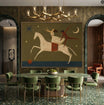






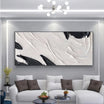





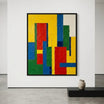




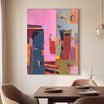
Choosing professional office wall art is not just about making a workspace look finished. The right piece can shape how a room feels, how clients experience the space, and how focused the environment feels during the workday.
In a home office, artwork can soften a desk wall, create a better video-call background, or make a small room feel more intentional. In a commercial office, it can help define reception areas, meeting rooms, private offices, and shared work zones. This guide will help you compare size, style, color, texture, and placement so you can choose office wall artwork that feels polished without making the room feel cold or overdone.
Professional Office Wall Art
Office design affects mood, focus, and first impressions. A blank wall may feel clean, but it can also make a workspace feel temporary or unfinished. A wall with too much decoration can feel distracting. The goal is to find a calm middle ground: artwork that gives the room presence while supporting the purpose of the space.

For client-facing offices, professional office wall art helps communicate care and attention to detail. It can make a reception area feel more settled, add warmth to a consultation room, or make a conference room feel more considered. In a home office, the right artwork can make the room feel less like an improvised corner and more like a dedicated place to think, plan, and work.
This is where abstract artwork is often a strong choice. It brings form, movement, and atmosphere without creating a literal subject that may feel too personal, too casual, or too distracting. A softly layered abstract canvas can support a refined interior while staying flexible across different industries and room types.
Modern office art works best when it feels integrated with the room. It should relate to the furniture, lighting, wall color, and overall tone of the business or home. A single large piece can create a clean focal point. A quieter textured work can add depth to a minimal room. A larger abstract composition can make a blank wall feel purposeful without adding visual clutter.
How to Choose Professional Office Wall Art by Space
Choosing professional office wall art starts with the type of workspace. A home office, executive office, reception area, and conference room all have different needs. The same artwork may feel calm and focused in one room but too small or too informal in another.
Home Office
A home office should feel comfortable, but still structured. If the artwork sits behind your desk, it may appear in video calls, so choose a piece that feels calm and balanced from a distance. Soft abstract office art, neutral tones, and subtle texture often work well because they bring interest without distracting from your face or work setup.
If your desk faces a wall, artwork can make the view more pleasant and less empty. In this case, choose a piece that supports focus rather than visual noise. Gentle movement, tonal layering, and restrained contrast can make the space feel more complete while preserving a quiet work mood.
Private Office or Executive Office
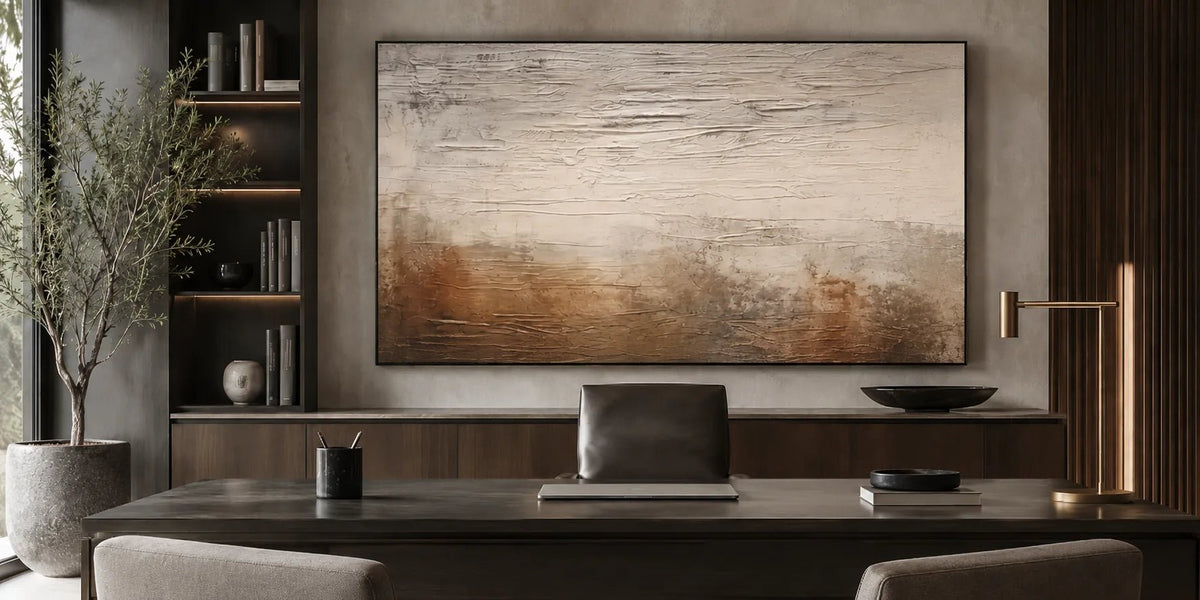
A private office often needs a stronger sense of presence. Large artwork can work well behind a desk, above a credenza, or on a wall visible from the doorway. The piece should feel confident but not overpowering.
For this setting, scale matters. Small artwork may feel disconnected from larger office furniture. A larger abstract piece can create a more polished focal point, especially when paired with wood furniture, upholstered chairs, or architectural lighting.
Reception Area
Reception areas are about first impressions. The artwork should feel welcoming, calm, and aligned with the space. A large canvas can help fill a waiting room wall without requiring many smaller decorative pieces.
For professional settings, avoid artwork that feels too personal or overly busy. Abstract compositions with tonal depth, quiet movement, and refined texture can make the space feel considered without limiting the room to one specific theme.
Conference Room or Meeting Space
Meeting rooms need artwork that supports focus and conversation. A piece that is too bold may become distracting. A piece that is too small may disappear on a larger wall. Horizontal formats often work well above a sideboard, credenza, or long conference table because they echo the shape of the furniture and bring balance to the room.
In larger commercial spaces, one substantial piece can feel cleaner than several small works. It gives the wall structure and keeps the room visually organized.
Size and Placement: Getting the Proportion Right
Size is one of the most important decisions when choosing office wall artwork. A piece that is too small can make a wall feel unfinished, while artwork that is too large can make the room feel crowded.

Start by identifying the wall’s purpose. Is it behind a desk? Above a console or credenza? Across from a seating area? Visible through an office doorway? The artwork should relate to nearby furniture and the way people experience the room.
For a desk wall, the artwork should feel visually connected to the desk or seating arrangement, not floating too high above it. For a credenza wall, a horizontal piece usually works well because it follows the width of the furniture. For a large blank wall in a reception or meeting area, oversized artwork can create structure and make the space feel more finished.
In a commercial office, consider sightlines. A wall viewed from across a lobby needs more scale than a piece seen only from a nearby desk. In a home office, a smaller room may still benefit from a larger piece if the palette and composition are quiet.
If you are unsure, take measurements before browsing. Note the wall width, furniture width, ceiling height, and any nearby lighting or windows. These details make it easier to choose a size that feels intentional.
Color, Mood, and Brand Fit
Color can change how an office feels. In workspaces, the best choice often depends on whether you want the room to feel calm, creative, warm, formal, or quietly energized.

Neutral artwork is useful for offices because it works with many furniture styles and backgrounds. Ivory, beige, taupe, stone, gray, black, muted brown, and soft earth tones can all support a professional atmosphere. These colors also tend to work well in home offices because they blend with residential furniture and softer lighting.
For a modern office, abstract office art with restrained contrast can add focus and depth. A darker composition can ground a room with pale walls. A lighter artwork can soften a darker office or make a smaller room feel more open. Tonal layering can create visual interest without relying on bright colors.
In commercial spaces, consider the character of the business. A financial office may benefit from calm, structured artwork. A design studio may suit more expressive movement. A wellness or consulting office may feel better with softer, warmer tones. The artwork does not need to match a brand color exactly. Often, it is more refined to choose a piece that reflects the feeling of the brand rather than copying the palette too directly.
For video-call backgrounds, keep the artwork balanced. Very high contrast, sharp patterns, or intense colors can become distracting on camera. A textured neutral canvas or softly layered abstract piece can make the background feel polished without pulling attention away from the conversation.
Texture and Visual Depth in Modern Office Art
Texture can make an office feel more refined without adding clutter. Many office interiors include smooth surfaces: desks, glass partitions, painted walls, metal hardware, shelving, and screens. Textured artwork can soften those elements and bring warmth to the room.

Tactile Atelier creates hand-painted canvas art with real texture, tonal layering, and visual depth. In an office setting, these qualities can make the wall feel more dimensional while still preserving a calm, professional atmosphere.
Real texture also responds to changing light. In a home office, morning light may reveal subtle surface detail. In a meeting room, evening lighting can bring out raised texture and tonal shifts. This makes the artwork feel present without needing loud color or complicated subject matter.
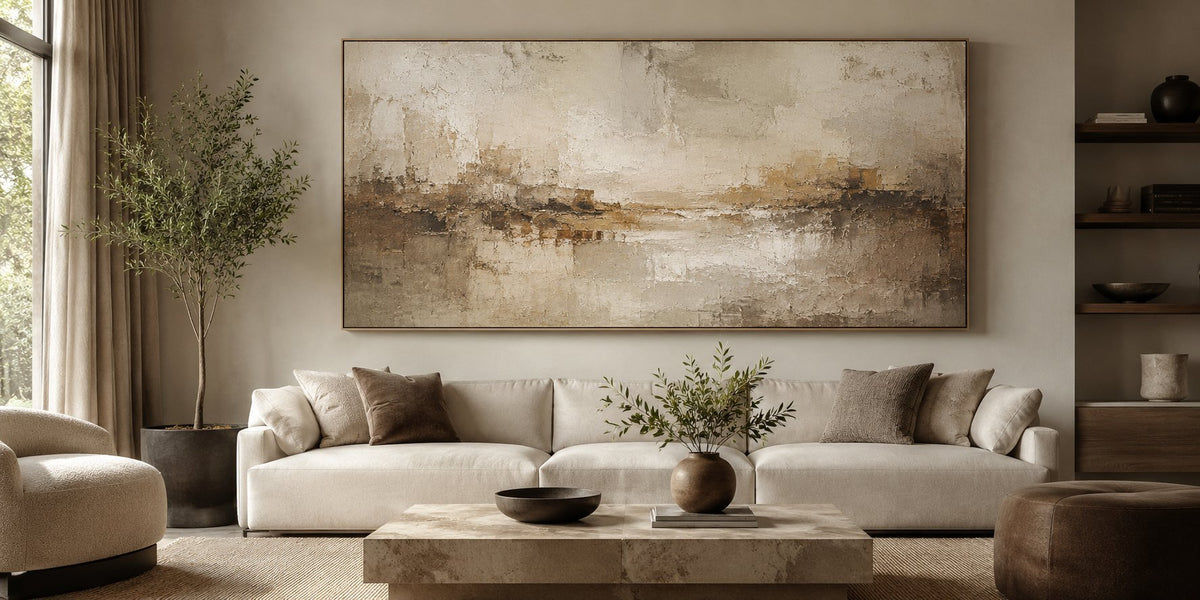
Textured modern office art is especially useful in minimal interiors. It can prevent a workspace from feeling flat, especially when the room has simple furniture and a quiet palette. A textured canvas can also help bridge residential and professional design, making it a strong option for home offices that need to feel both comfortable and work-ready.
Abstract Art vs. Contemporary Art for Offices
Both abstract art and contemporary art can work well in office settings, but they create slightly different impressions.
Abstract art is often the most versatile choice for professional spaces. It gives the room atmosphere without introducing a literal subject. This makes it suitable for home offices, client rooms, meeting spaces, and reception areas where artwork needs to feel refined and broadly appropriate.
Contemporary art can bring a more current, design-forward feeling. It may be useful for offices that want a stronger visual statement or a more distinctive interior direction. The key is to keep the room’s purpose in mind. A piece that feels dynamic in a creative studio may feel too energetic in a quiet consultation room.
Large wall art is useful when the room needs scale. A wide reception wall, conference room, or executive office may need a larger format to avoid looking underfilled. In these rooms, a substantial canvas can create a clean focal point without requiring multiple pieces.
For most professional offices, the best direction is artwork that feels composed, not overly decorative. Look for balanced movement, thoughtful color, and enough scale to hold the wall.
Explore Tactile Atelier Office Artwork
If you are choosing art for a home office, reception area, or commercial workspace, start with Abstract Art. Abstract pieces are especially useful for professional settings because they bring visual interest while staying flexible across different interiors and business styles.
Office Art is a helpful place to browse pieces suited to work environments, from quiet home offices to more formal commercial spaces. Large Wall Art can help when you need scale for a meeting room, lobby, or executive office. Contemporary Art is worth exploring if your space needs a more current, design-led feeling.
Custom sizes and selected finish options may be available depending on the artwork. If you are working with a specific wall, office layout, or commercial space, the team can help recommend size, format, or artwork direction from wall dimensions or a room photo.
Free global shipping, free and fast delivery, secure payments, and a 30-day risk-free return policy make it easier to plan artwork for a workspace with confidence.
For a project-style approach, browse Abstract Art first to identify a direction that fits your space. Then contact the Tactile Atelier team with your wall measurements, room photo, or office type, and they can help you compare size and format options for a home office or commercial interior.
Final Thoughts on Professional Office Wall Art
The right professional office wall art should make a workspace feel more complete, focused, and considered. Start with the room type, then choose artwork that fits the wall size, furniture layout, color palette, and level of formality.
For a home office, a calm abstract piece can make the room feel more dedicated and comfortable. For a reception area or meeting room, larger artwork can create structure and a more polished first impression. For minimal interiors, textured artwork can add depth without making the space feel busy.
Choose a piece that supports the way the office needs to feel: calm, capable, refined, and ready for work.
FAQs
What type of wall art is best for a professional office?
Abstract artwork is often a strong choice because it brings mood, movement, and visual interest without feeling too personal or distracting. Neutral colors, balanced composition, and real texture can help the office feel polished and calm.
How large should office wall artwork be?
The right size depends on the wall, furniture, and viewing distance. Above a credenza or desk, the artwork should feel visually connected to the furniture. In a reception area or conference room, a larger canvas can help anchor the wall.
Is abstract office art suitable for client-facing spaces?
Yes. Abstract office art can work well in reception areas, meeting rooms, consultation rooms, and private offices because it creates atmosphere without introducing a subject that may feel too specific. Choose a palette and scale that fit the tone of the space.


Leave a comment
This site is protected by hCaptcha and the hCaptcha Privacy Policy and Terms of Service apply.