
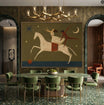






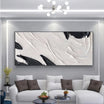





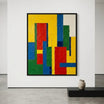
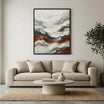


Choosing large wall art for living room spaces is one of the most effective ways to make a room feel complete. A wide blank wall, an empty area above the sofa, or an open-plan living space can all feel unfinished until the right artwork gives the room structure.

For many homeowners, the challenge is not whether to choose a large piece, but how to choose one that feels balanced. The artwork needs enough presence to anchor the room, while still working with the sofa, rug, lighting, wall color, and overall mood. This guide will help you compare size, placement, color, texture, and format so you can choose living room wall art with more confidence.
Why Large Wall Art Works So Well in a Living Room
The living room is often the most visible space in the home. It is where guests gather, where the family spends time, and where the overall interior style usually becomes most apparent. Because of that, the wall art you choose has a strong effect on the room’s atmosphere.
Small pieces can work in narrow corners or layered shelves, but they often look lost on large living room walls. This is especially true above a sofa, behind a sectional, or on a tall blank wall in an open-plan home. Large artwork gives the wall a clear visual center and helps the room feel more intentional.
A single large canvas can also reduce the need for extra decorative objects. Instead of filling the room with many smaller accents, one substantial piece can bring focus, softness, and visual depth. For homeowners who prefer calm, refined modern interiors, this can be a cleaner and more considered approach.
Large living room art also helps connect different elements in the space. The right piece can echo the tones of the rug, soften the lines of a sofa, balance a coffee table arrangement, or add contrast to neutral walls. When chosen well, it does not simply decorate the wall. It helps the whole room feel more composed.
How to Choose Large Wall Art for Living Room Scale
When choosing large wall art for living room walls, scale is the first decision to get right. A beautiful piece can still feel wrong if it is too small for the wall or too large for the furniture beneath it.

Start by looking at the wall in relation to the main furniture. In most living rooms, that means the sofa, sectional, console, fireplace area, or primary seating zone. The artwork should feel visually connected to the furniture below it. It does not need to match the exact width of the sofa, but it should feel substantial enough to anchor the wall.
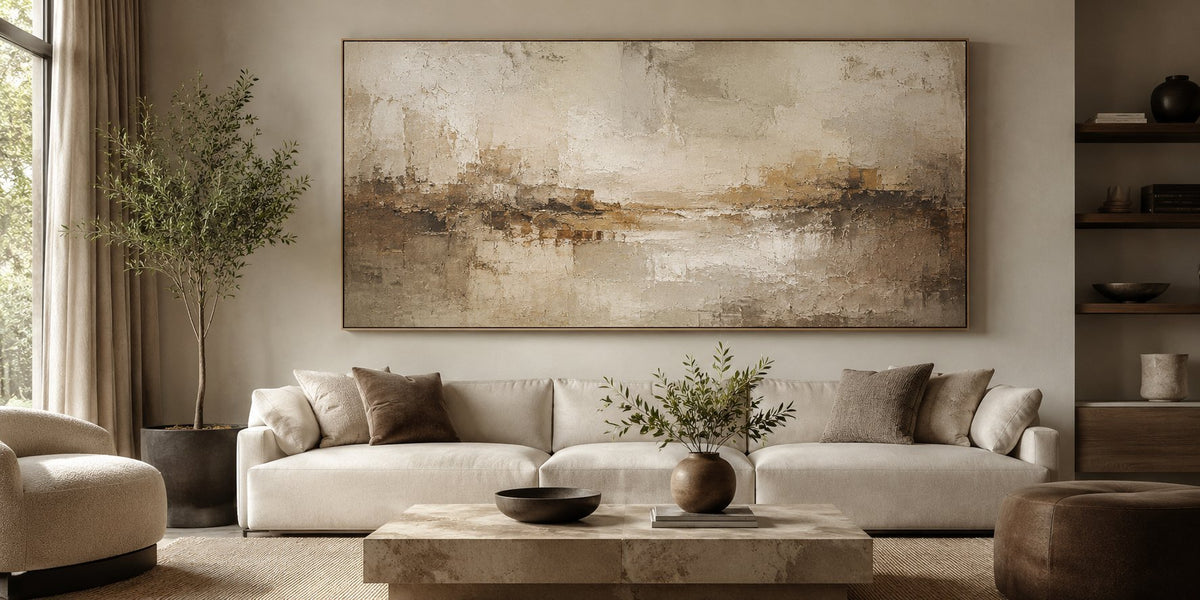
For a long sofa or sectional, a horizontal piece is often a natural choice. It follows the shape of the furniture and creates a calm, grounded look. For a narrower wall, a vertical artwork can add height and draw the eye upward. For a centered seating area or a compact wall, a square format can feel balanced and modern.
Above the Sofa
The sofa wall is one of the most common places to use large artwork. It is also where proportion matters most. If the artwork is too small, the sofa can make it feel disconnected. If it is hung too high, the piece may look like it is floating away from the furniture.
For a balanced look, the artwork should feel like part of the sofa arrangement. Leave enough space between the sofa and the bottom of the artwork so the wall can breathe, but keep the piece low enough that it visually belongs to the seating area.
If you have a low-profile sofa, you may have more vertical wall space available. If your sofa has a tall back or layered pillows, a slightly higher placement may be needed. The goal is not to follow a rigid rule, but to create a relationship that feels natural from across the room.
Large Blank Walls
Large blank walls can be difficult because there is no nearby furniture to guide the eye. In this case, the artwork itself needs to create structure. One oversized canvas can work well when you want a clean focal point. A balanced pair may suit a more symmetrical room, especially if the wall is part of a formal seating area.
For open-plan spaces, artwork can also help define the living area. A large piece behind the sofa can visually separate the seating zone from the dining area, entry, or kitchen without using a physical divider.
Choosing the Right Color Palette for Living Room Wall Art
Color should support the mood of the room. It does not need to match every pillow, throw, or rug. In fact, a more refined result often comes from choosing artwork that shares undertones with the room rather than copying colors exactly.

Look at the existing finishes first. Wall color, flooring, sofa fabric, wood tones, metal accents, curtains, and lighting all influence what will feel natural. If your room is warm and neutral, artwork with ivory, beige, taupe, sand, muted brown, or soft earth tones can add depth without interrupting the calm palette.
If your living room leans cooler, with gray upholstery, stone finishes, black accents, or cooler wall paint, consider artwork with gray, charcoal, off-white, stone, or restrained contrast. These tones can make the artwork feel integrated rather than separate.
For rooms that feel too plain, large artwork can introduce contrast in a controlled way. A darker composition can ground a pale room. A light textured piece can soften heavy furniture. A canvas with tonal layering can make a simple wall feel more dimensional without relying on loud color.
The key is to decide whether the artwork should blend, soften, or anchor. If your room already has many strong elements, a quieter piece may work better. If the room feels unfinished or visually flat, artwork with more contrast or movement may bring the balance it needs.
Texture, Depth, and Mood in Living Room Art
Texture is one of the most useful qualities to consider when choosing artwork for living room walls. Many living rooms include smooth surfaces: painted walls, upholstery, glass tables, metal lighting, and simple cabinetry. Textured artwork can soften those finishes and add visual depth.

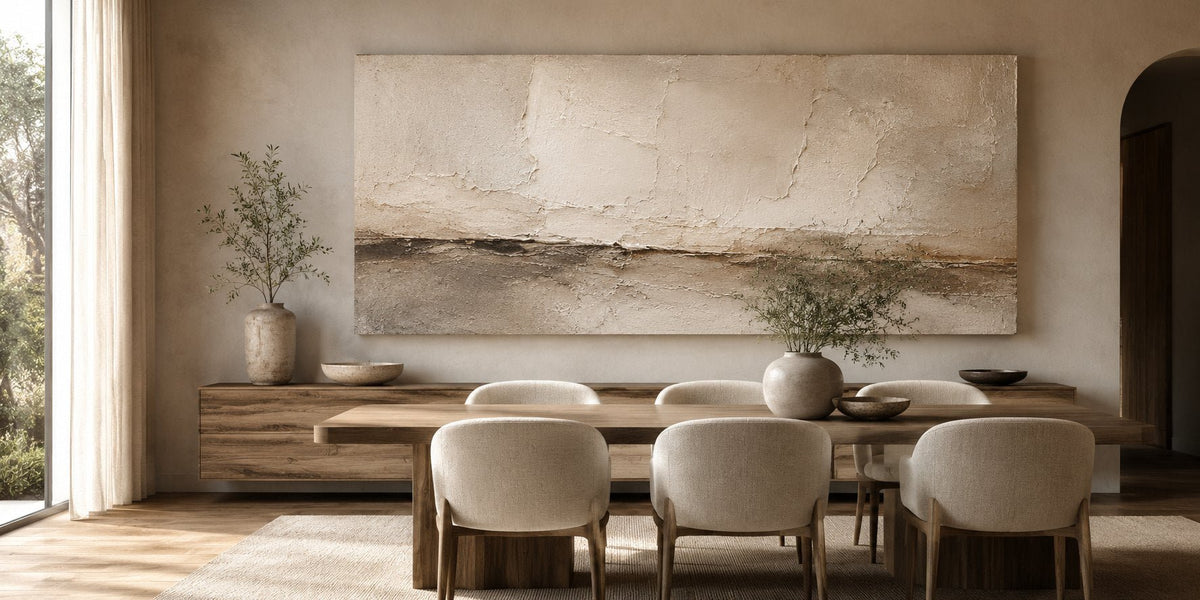
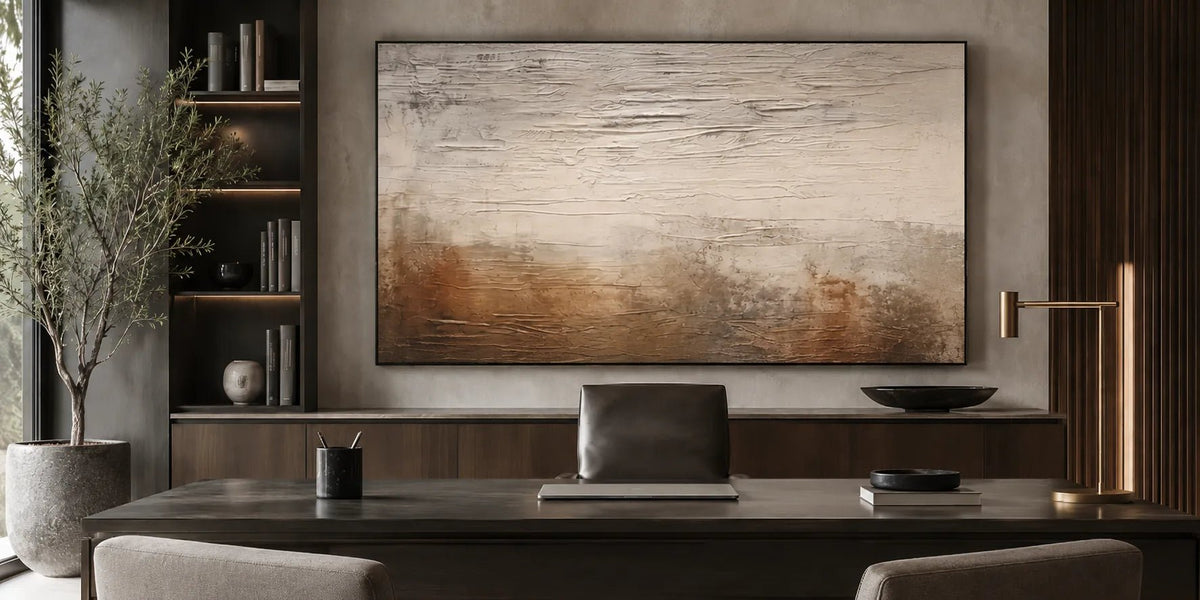
Tactile Atelier’s hand-painted canvas art uses real texture, tonal layering, and visual depth. This gives the artwork a surface quality that can change subtly with the light. In daylight, a piece may feel quiet and understated. In evening lighting, raised texture and tonal shifts can become more visible, adding warmth and presence.
For calm modern interiors, texture is especially valuable because it adds interest without creating clutter. A textured piece can make a large wall feel designed while preserving a restful mood. It works well with neutral sofas, wood accents, linen fabrics, sculptural lamps, and simple coffee table styling.
Texture also helps large artwork avoid feeling flat. Since a larger canvas naturally draws attention, surface depth can make the piece feel more considered. Instead of relying only on color or pattern, the artwork brings movement through layers, shadows, and subtle surface variation.
Match Artwork Format to Your Living Room Layout
The format of the artwork should follow the shape and function of the wall. Before choosing a piece, consider where it will hang and how people will view it.
A horizontal format is often the strongest option above a sofa, sectional, or long console. It follows the width of the furniture and helps the seating area feel grounded. This layout is especially effective in modern living rooms where clean lines and calm proportions matter.
A vertical format works well on narrow walls, beside a fireplace, between windows, or in rooms with high ceilings. It can add height and make the room feel more architectural. If the living room has a tall blank wall, vertical artwork may help balance the room better than a wide piece.
A square format can feel steady and centered. It works well in smaller seating areas, above a compact sofa, or on a wall where balance matters more than width. Square artwork can also bring a quiet modern feeling, especially when paired with simple furniture and restrained color.
For large open-plan living rooms, avoid scattering too many small pieces across a wide wall unless the layout is carefully planned. One substantial artwork or a simple pair often feels calmer and more refined. It gives the eye a place to rest and helps the room feel less busy.
Explore Tactile Atelier Living Room Art
If you are ready to choose artwork for living room spaces, Tactile Atelier offers hand-painted canvas art designed for calm, refined modern interiors. The focus is on real texture, tonal layering, and visual depth, with pieces that can support a quiet room or bring structure to a large blank wall.
Start with Living Room Art if you want to browse pieces suited to sofa walls, seating areas, and larger living room spaces. If your main concern is scale, the Large Wall Art collection can help you compare oversized formats with enough presence for open rooms and wide walls.
For artwork specifically placed above the sofa, Above Sofa Art is a useful direction to explore. If you are still comparing different tones, formats, and surface styles, All Paintings can give you a broader view of the available options.
Custom sizes and selected finish options may be available depending on the artwork. If you are unsure which size or format will suit your wall, Tactile Atelier’s team can help from wall dimensions or a room photo. This is especially useful when choosing a larger piece, where proportion can make a significant difference.
Free global shipping, free and fast delivery, secure payments, and a 30-day risk-free return policy also make the decision easier when you are choosing a highly visible piece for your home.
Final Thoughts on Large Wall Art for Living Room Spaces
The right large wall art for living room spaces should feel connected to the room’s size, furniture, color palette, and mood. Start with the wall you want to anchor, then consider the sofa width, ceiling height, surrounding furniture, and the type of atmosphere you want to create.
A horizontal canvas may bring balance above a sofa. A vertical piece may add height to a narrow wall. A textured neutral artwork may soften a modern room, while a larger tonal composition can give a blank wall more structure.
When you are ready to choose, browse Living Room Art with your wall measurements, room photo, or sofa size in mind. If you need help deciding on size or finish, the Tactile Atelier team can guide you toward an artwork direction that feels considered, calm, and suited to your living space.
FAQs
What size large wall art should I choose for a living room?
The right size depends on your wall width, sofa size, ceiling height, and surrounding furniture. For a sofa wall or large blank wall, choose artwork that feels substantial enough to anchor the space without crowding the furniture.
Is one large artwork better than several smaller pieces?
One large artwork often creates a cleaner, calmer focal point. Several smaller pieces can work, but they require careful spacing and a consistent visual direction. For many modern living rooms, one large canvas is the simpler and more refined choice.
What type of living room wall art works best for a calm interior?
For a calm interior, consider hand-painted canvas art with soft color, tonal layering, and real texture. These qualities add depth while keeping the room warm, balanced, and visually quiet.


Leave a comment
This site is protected by hCaptcha and the hCaptcha Privacy Policy and Terms of Service apply.